
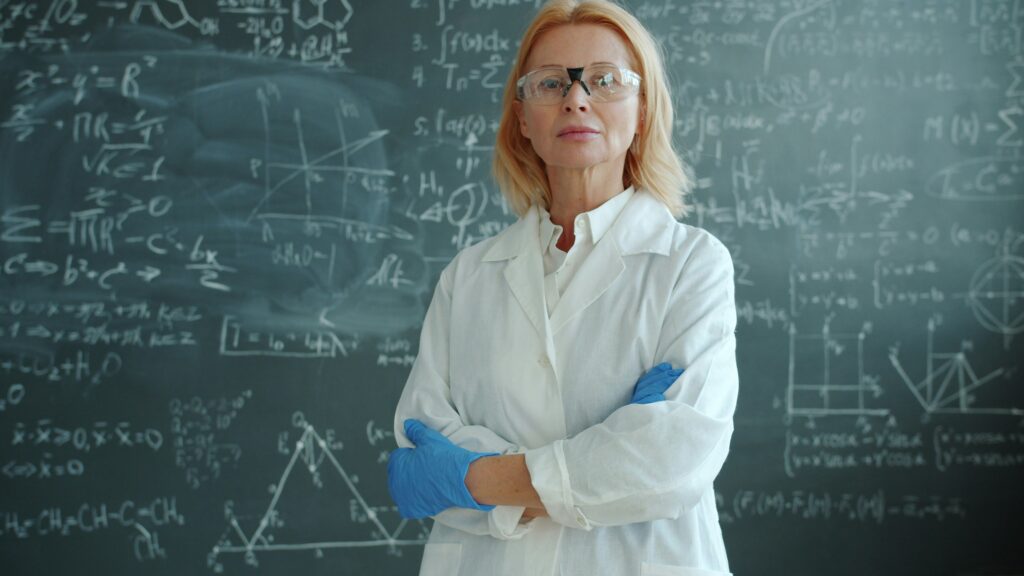
Setting the Pace for Scientific Discovery
In 2026, women are no longer just entering the world of science they’re leading it. Across climate science, artificial intelligence, biomedical engineering, and space exploration, female scientists are driving some of the most critical breakthroughs of the decade. They’re not just part of the conversation they’re shaping it.
In climate science, women are deep in the modeling labs building next gen tools to forecast extreme weather and slow planetary tipping points. In AI, they’re leading the charge on ethical frameworks, pushing back against bias baked into machine learning systems. Biomedical engineering? That’s where women are reshaping how prosthetics interact with the body and how gene editing moves from theory to bedside. And when it comes to space exploration, it’s women designing the systems that might actually keep people alive on Mars.
Representation in these spaces isn’t just symbolic. It’s strategic. More diverse perspectives mean better problem solving. Gender balanced labs ask different questions, tackle challenges from unconventional angles, and reach solutions that are both ethical and useful. Equity doesn’t just improve access it improves science.
Leading Innovators to Watch
In 2026, a wave of groundbreaking work is being led by women scientists who are not only pushing boundaries in their respective disciplines but also redefining what it means to lead in science. These innovators are solving urgent global challenges with bold, forward looking research.
Climate Tech Pioneers: Fighting Extreme Weather
A new generation of women climate scientists are developing groundbreaking solutions to mitigate the impact of extreme weather. Their work includes:
Creating predictive models for climate related disasters
Engineering adaptive housing in flood prone areas
Developing carbon capture technologies scaled for urban use
Their innovations are helping policymakers and local communities build resilience in the face of escalating climate threats.
Biomedical Trailblazers: Personalized Health at Scale
In the biomedical field, women are leading efforts to tailor treatment to individual patients. These scientists are:
Designing AI based tools to personalize cancer therapies
Developing implantable diagnostics for chronic illness management
Working to close the gap in gender specific clinical data
Their work is making medicine more precise, inclusive, and responsive to real world needs.
Ethical AI Developers: Building Better Machines
As AI becomes more embedded in daily life, ethical concerns grow. Women leading in ethical machine learning are:
Advocating for bias free algorithms
Creating transparent AI systems for public decision making
Leading global conversations on AI governance and responsibility
Their leadership ensures that AI develops in tandem with human values.
Space Science Leaders: Planning Long Term Missions
In the race toward Mars and beyond, women are behind key technologies that support sustainable, long duration space travel. Contributions include:
Innovating closed loop life support systems
Designing habitats for deep space missions
Leading research on the psychological well being of astronauts
These scientists are rewriting humanity’s roadmap for life beyond Earth.
What Sets Them Apart
Beyond their technical achievements, these women share several defining qualities:
Leadership: They are heading research labs, startups, and global coalitions.
Mentorship: Many actively support younger scientists through inclusive mentoring programs.
Collaboration: Their success is rooted in cross disciplinary teamwork and community based science.
In every field, they’re not just advancing what’s possible they’re reshaping how science is done, who gets to lead it, and what it should stand for.
Global Momentum, Local Change
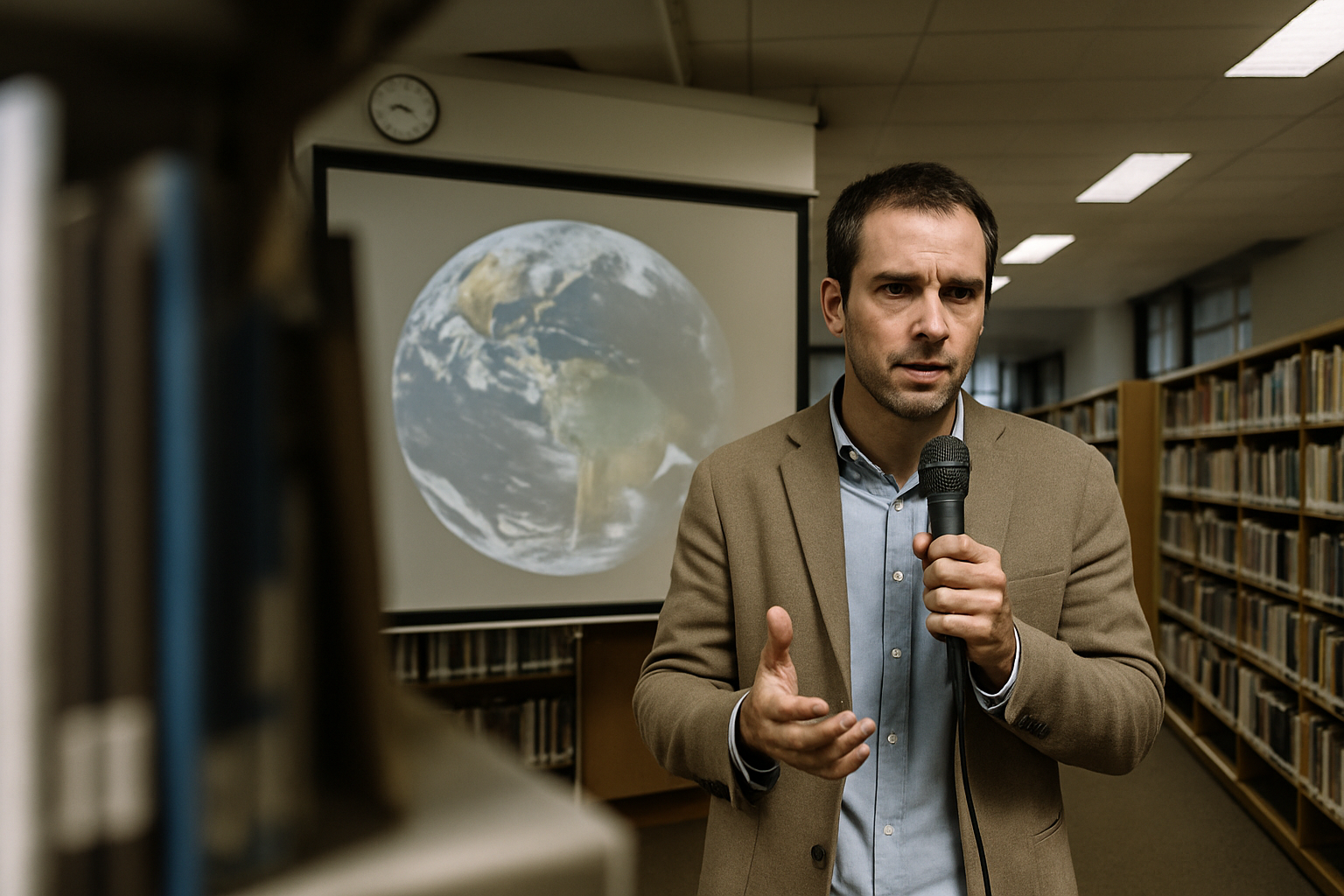
In 2026, progress toward gender equity in science isn’t just theoretical it’s systemic. Institutions, funding bodies, international organizations, and grassroots initiatives have become more intentional about boosting representation and impact for women scientists.
Institutional Shifts: Funding Equity and Structural Change
Major scientific institutions and grant making bodies are beginning to address long standing gender gaps with real policy changes:
Targeted research grants for women led labs and underrepresented STEM groups
New review criteria to reduce bias in peer evaluation and grant approval
Flexible funding models that support work life balance, caregiving responsibilities, and interdisciplinary research
These changes are helping level the playing field, allowing more women not only to enter scientific leadership roles but to thrive within them.
Women Led Global Collaborations
Across the globe, women in STEM are forging partnerships that transcend borders and traditional academic pathways. These collaborations are redefining what international research leadership looks like:
Cross continental climate research teams co led by women from the Global South
Biomedical data sharing initiatives headed by women working in both public health and private medicine
AI ethics and policy groups focused on inclusive design, led by majority women teams
These partnerships show that leadership isn’t just about institutional titles it’s also about shaping global research priorities through inclusive vision.
Ground Level Innovation: The Power of Grassroots Science
While global institutions shift policies from the top down, regional science initiatives continue to build change from the bottom up. Across cities, universities, and underserved regions, grassroots programs are:
Creating mentorship and training pipelines for girls and young women entering STEM
Launching community led labs and makerspaces where resources have traditionally been scarce
Advancing open access innovation in local healthcare, agriculture, and environmental protection
These localized efforts are crucial. They not only diversify who does science but also redefine what scientific innovation looks like across cultures and contexts.
Beyond the Lab: Redefining the Scientist’s Role
Science used to be something that happened behind closed doors, in quiet labs or dense journals. Not anymore. The women leading the field in 2026 are stepping out of the academic bubble and into the public space podcasts, YouTube explainers, live Q&As, and social channels packed with direct to audience science. They’re not dumbing it down; they’re making it accessible. And in doing so, they’re earning trust, interest, and genuine dialogue.
Some are reworking how we learn science in the first place. These researchers aren’t waiting for curriculum committees they’re collaborating with educators, writing their own open access materials, and even launching apps and games that bring complex topics to life. Their goal isn’t just to inform; it’s to spark curiosity early and bust through barriers that keep too many young people especially girls from sticking with STEM.
But truth is, this kind of leadership carries weight. Research culture still pushes for long hours and doesn’t always reward balance. So mental health and sustainability of the career itself is top of mind. Many of these scientists are being loud about burnout, peer pressure, and the need for healthier paths to success. They’re calling for changes in how we measure impact, and they’re modeling what it looks like to do brilliant work without breaking.
In short: they’re changing both what it means to be a scientist, and who gets to see themselves in the role.
More Groundbreaking Work Ahead
The discoveries happening right now aren’t just headline material they’re building blocks for the next decade. Women scientists at the forefront of biomedical engineering, climate solutions, and AI ethics aren’t working in a vacuum. They’re laying pipelines for future breakthroughs, setting frameworks and protocols that will become default in 10 years. Whether it’s rewriting how we think about brain machine interfaces or designing climate resilient architecture, these achievements are planting seeds with long timelines.
But progress doesn’t come without friction. Many of these trailblazers cite the same recurring barriers: inconsistent funding, institutional resistance, and the ongoing work of proving credibility in rooms still dominated by legacy voices. At the same time, new tools especially in computation and cross lab collaboration are opening doors that weren’t even visible a few years ago. The opportunity lies in staying agile, learning fast, and bringing both hard data and human context into the work.
For more remarkable stories, check out: breaking ground in science and breaking ground in science.