
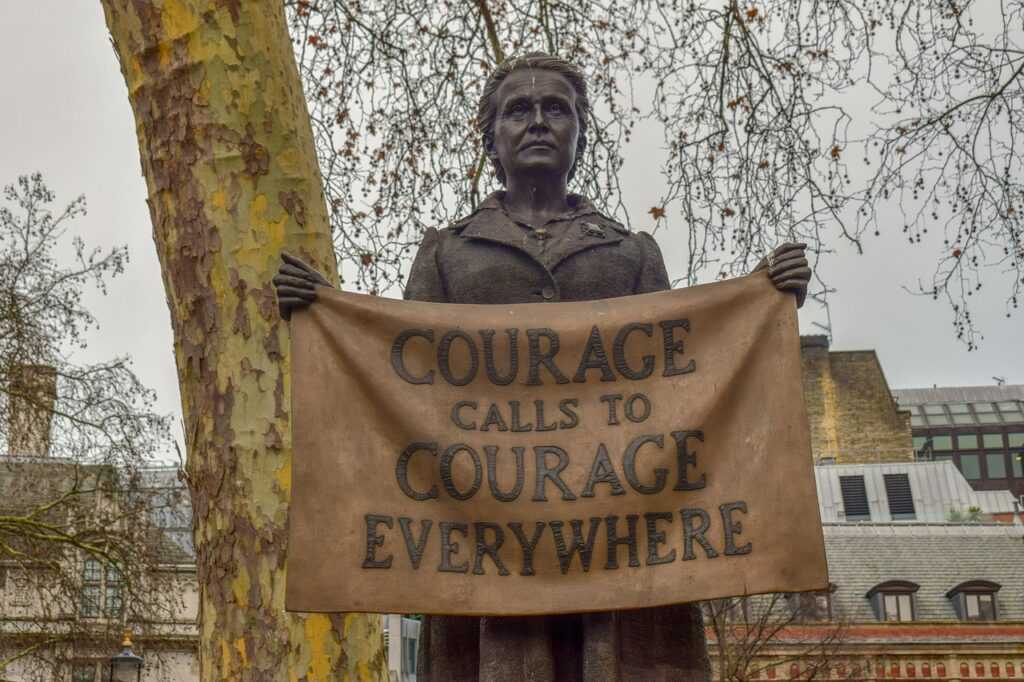
Breaking Traditional Power Models
For decades, political leadership has been measured through the lens of authority, rigidity, and power hierarchies. But in recent years, female leaders across the globe have begun redefining what political power looks like not by conforming, but by shifting the very framework of leadership.
Steering Away from Hierarchy
Rather than climbing to the top of rigid power pyramids, many women in politics are dismantling those models altogether.
Emphasis is shifting from dominance to service
Collective leadership is being prioritized over individual control
Rigid chains of command are being replaced by inclusive decision making systems
Female leaders often center their political approach on communities rather than institutions. This means listening more, staying closer to local needs, and amplifying underrepresented voices.
Collaboration, Empathy, and Vision
A striking shift in leadership style includes a heavier focus on emotional intelligence a quality often undervalued in traditional political arenas.
Collaboration: Policy efforts increasingly depend on input across parties and communities
Empathy: Leaders are speaking more openly about human impact when shaping laws, showing vulnerability rather than masking it
Vision: Instead of short term victories, the focus is on sustainable, future oriented policy objectives
These qualities aren’t weaknesses they’re proving to be effective tools in building lasting coalitions and more resilient societies.
Beyond Visibility: Measuring Real Effectiveness
Women’s growing presence in politics brings more than visibility it is redefining what it means to be effective. Success is no longer just about the photo op or the podium speech.
Results are being measured by policy change, not just public recognition
Success is also seen in community uplift, structural reforms, and long term equity gains
The goal is not to become symbolic figures, but systemic change makers
By pushing beyond the optics of representation, women are challenging politics to become more human centered, equitable, and forward thinking.
Leading Through Representation, Not Conformity
Redefining Leadership Styles
For decades, many women in politics felt pressured to mimic traditionally masculine leadership traits assertiveness, dominance, and top down control. Today’s female leaders are pushing back against that mold. They’re proving that effective governance doesn’t require abandoning authenticity.
No longer conforming to outdated expectations of strength and authority
Emphasizing inclusive dialogue, collaboration, and emotional intelligence
Leading not despite their identities, but through them
Centering Community and Grassroots Power
A growing number of women in political spaces are shifting focus from top tier institutions to bottom up movements. That shift signals a deeper commitment to governance that reflects the real needs of everyday people.
Prioritizing lived experiences over elite credentials
Working directly with marginalized communities to co create policy
Elevating local voices over party politics
From Symbolism to Systemic Change
Visibility in politics is no longer enough. Many women are moving beyond being figureheads and taking on the hard, often invisible work of long term change.
Notable examples include:
Local legislators rewriting education funding formulas to close equity gaps
Mayors and city council members implementing participatory budgeting models
Parliamentarians introducing reforms to address childcare and reproductive justice
These leaders aren’t merely diversifying photo ops they’re restructuring the institutions themselves.
Explore More
For an in depth look at the women making lasting impact in today’s political world, visit: women in politics today
Success Defined by Impact, Not Just Position
Traditional markers of political success titles, tenure, and public visibility are being reassessed by a new generation of female leaders. In 2024, success is increasingly measured by impact over image.
Shifting the Metrics of Achievement
Rather than measuring power by proximity to the top, more women in politics are centering their work on tangible changes at the community level. Legislation, quality of life improvements, and cross sector results are becoming the new benchmarks.
Key Areas of Focus:
Education: Advocating for accessible, inclusive, and forward thinking learning environments
Healthcare: Pushing for systems that prioritize prevention, affordability, and mental health support
Equity: Tackling systemic barriers to ensure fair treatment and opportunity for underserved communities
Changing the Narrative Around Leadership
The conversation is moving from winning seats to reshaping the system. These leaders are less interested in simply occupying roles they’re redesigning the purpose of those roles.
Policy over prestige: Implementing community informed legislation rather than sticking to status quo platforms
Long term change over viral moments: Prioritizing sustainable progress over short term recognition
A More Inclusive Vision of Governance
Female politicians are forwarding a leadership model that prioritizes inclusivity, care, and long term vision. This isn’t about softening politics; it’s about redefining what effective, people centered governance really looks like.
Reimagined governance includes:
Building coalitions with non traditional allies
Listening over broadcasting
Creating policy that reflects lived experiences, not just voting blocs
Success, in this view, is measured by the lives improved not just the offices held.
Resilience, Visibility, and the Road Ahead
Being a woman in politics still means playing defense as often as offense. While representation has made strides, the terrain remains uneven. Female leaders are constantly navigating double standards judged harshly for decisions, tone, appearance, even ambition. Online harassment adds another layer. It’s not just noise. It’s strategic toxicity meant to discredit, distract, and isolate.
Yet they keep showing up. And more importantly, they’re not doing it alone. Intersectional support networks across race, identity, and party lines are forming a new kind of infrastructure. These alliances help sharpen policy, offer safe backchannels, and amplify impact. It’s no longer about fitting into old systems it’s about building sturdier ones.
This momentum isn’t a trend; it’s a reckoning years in the making. More women in office doesn’t just change the optics. It shifts priorities, shakes up entrenched hierarchies, and makes room for leadership that looks and acts differently.
Learn more about the broader shift and the voices leading it at women in politics today.
The Bigger Picture
This isn’t just a win for gender equity it’s a fundamental rewiring of what leadership can look like. Female political leaders aren’t simply bringing new faces into old systems; they’re reshaping the systems themselves. It’s about ethics over ego, inclusion over image, durability over dominance. And it’s working.
Look closely and you’ll see the shift: policymaking that centers on long term impact, not just short term wins. Power that’s earned through listening, not just speaking. These leaders aren’t just breaking glass ceilings they’re changing the floor plan.
Aspiring leaders, regardless of gender, have something to learn here: authenticity builds trust, collaboration gets results, and empathy can be a strategic asset. The modern political landscape doesn’t just need charisma and credentials it needs connection and clarity. That’s the change we’re watching unfold, and it’s redefining what being in power actually means.

 Carolety Graysons is the kind of writer who genuinely cannot publish something without checking it twice. Maybe three times. They came to women's empowerment news through years of hands-on work rather than theory, which means the things they writes about — Women's Empowerment News, Women in Leadership Profiles, Fashion and Style Tips, among other areas — are things they has actually tested, questioned, and revised opinions on more than once.
That shows in the work. Carolety's pieces tend to go a level deeper than most. Not in a way that becomes unreadable, but in a way that makes you realize you'd been missing something important. They has a habit of finding the detail that everybody else glosses over and making it the center of the story — which sounds simple, but takes a rare combination of curiosity and patience to pull off consistently. The writing never feels rushed. It feels like someone who sat with the subject long enough to actually understand it.
Outside of specific topics, what Carolety cares about most is whether the reader walks away with something useful. Not impressed. Not entertained. Useful. That's a harder bar to clear than it sounds, and they clears it more often than not — which is why readers tend to remember Carolety's articles long after they've forgotten the headline.
Carolety Graysons is the kind of writer who genuinely cannot publish something without checking it twice. Maybe three times. They came to women's empowerment news through years of hands-on work rather than theory, which means the things they writes about — Women's Empowerment News, Women in Leadership Profiles, Fashion and Style Tips, among other areas — are things they has actually tested, questioned, and revised opinions on more than once.
That shows in the work. Carolety's pieces tend to go a level deeper than most. Not in a way that becomes unreadable, but in a way that makes you realize you'd been missing something important. They has a habit of finding the detail that everybody else glosses over and making it the center of the story — which sounds simple, but takes a rare combination of curiosity and patience to pull off consistently. The writing never feels rushed. It feels like someone who sat with the subject long enough to actually understand it.
Outside of specific topics, what Carolety cares about most is whether the reader walks away with something useful. Not impressed. Not entertained. Useful. That's a harder bar to clear than it sounds, and they clears it more often than not — which is why readers tend to remember Carolety's articles long after they've forgotten the headline.