What Drives Someone to the Top of the World
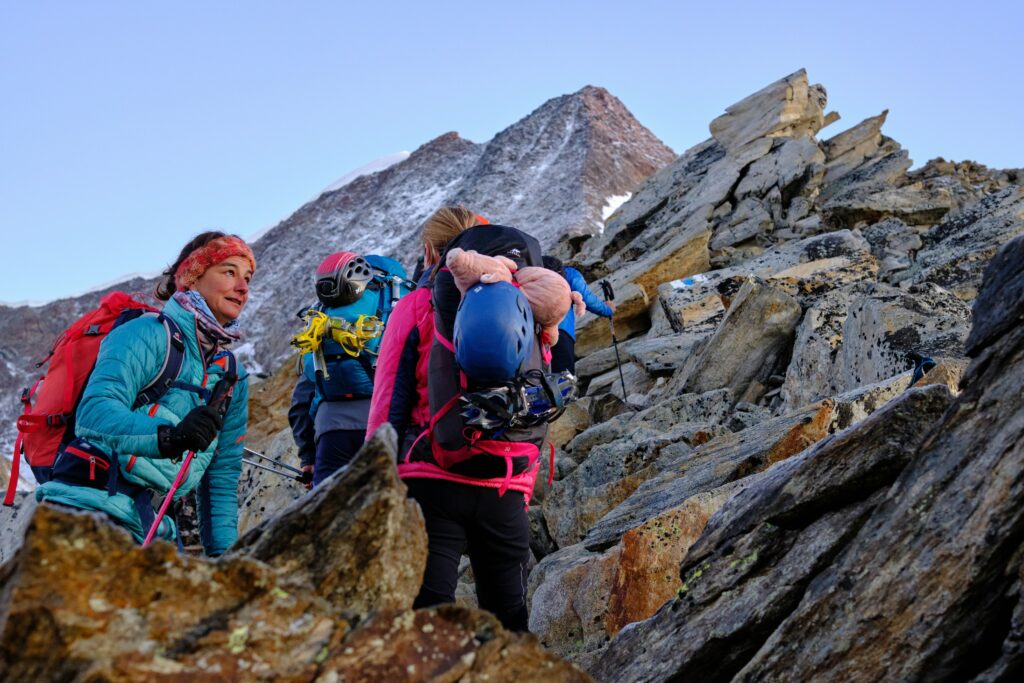
High altitude mountaineering doesn’t care about your background, your comfort zone, or your excuses. It strips you down to grit and willpower. For a woman chasing the summit of Everest, it’s not just about beating altitude and ice it’s also about pushing through barriers that formed long before base camp.
Getting to the mountain starts years before setting foot on it. Access to funding, training, gear, guiding networks these aren’t handed out equally. Most women in this space grow up being told to aim smaller, play safe, and leave the big climbs to the men. They’re expected to be risk averse, not risk driven.
But that’s the thing about Everest it calls out the rebels. Women who say no to polite limits and yes to discomfort, danger, and discipline. What pushes them upward isn’t just the love of climbing. It’s refusing to stay down. It’s knowing that every grueling step chips away at expectations they never agreed to in the first place.
At 8,848 meters above sea level, the goal is simple: get to the top in one piece. But the journey there navigating societal pressure, quiet skepticism, and the constant need to prove you belong makes the summit more than just a peak. It becomes a statement.
Training That Breaks You Before You Break the Mountain
Climbing Everest isn’t something you train for over a few months. It’s years in the making built daily through quiet discipline and relentless routine. Physical prep is obvious: weights, trail running, endurance hikes with a fully loaded pack. But the mental prep? That’s what separates the summit stories from the rescue missions.
Altitude is the silent killer, so pre acclimatization and high altitude conditioning matter. Oxygen debt at 8,000 meters isn’t something your body just “figures out” on the mountain. You have to teach it to handle less. And then there’s the grind: cross training plans that push lung capacity and pain thresholds, alongside flexibility and balance work most people overlook.
Then comes the human element. You don’t just show up solo and wing it. Your climbing partners can be your lifeline or your liability. Team building starts far below Base Camp. You need people you can rely on when storm clouds roll in or when ropes snap. Mutual trust gets built in the unglamorous hours.
Beyond prep, there’s paperwork lots of it. Navigating Nepal’s rules, securing permits, organizing Sherpa support, liaising with local agencies it’s a bureaucratic maze not shown in summit selfies. If you don’t respect the logistics, you don’t make it to the base of the mountain, let alone the top.
Training for Everest is brutal and boring and beautiful. It breaks you down so you can rise stronger because once you’re on the mountain, there’s no hiding.
The Climb: Ice, Storms, and Silent Resolve
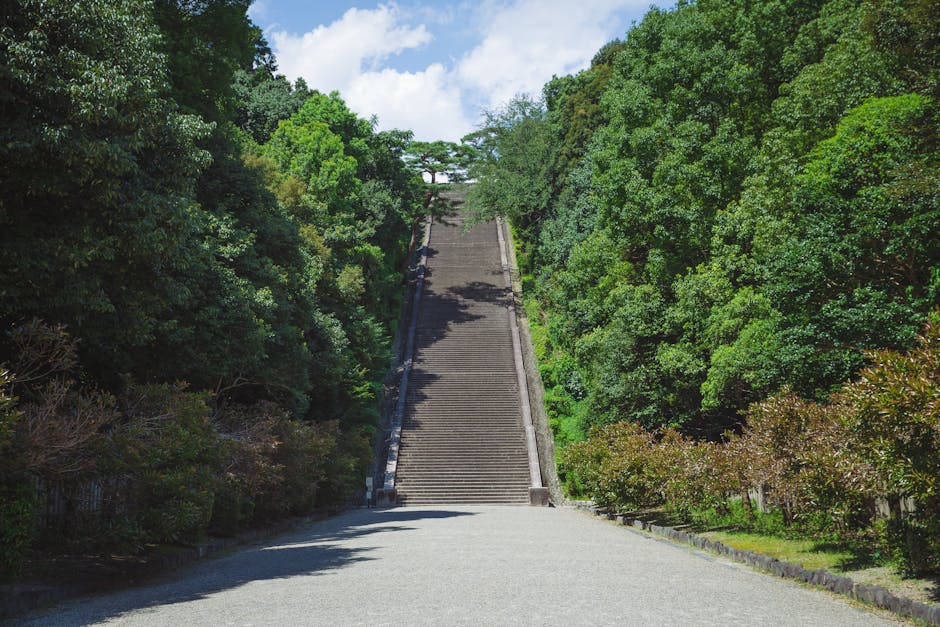
The Khumbu Icefall doesn’t care about your ambition. It shifts daily. Towers of unstable ice groan and crumble. Crevasses open without warning. Every footstep is a risk. Climbing here is a blend of instinct and trust trust in your training, your gear, and your team to read the ice before it betrays you. It’s where many turn back.
Then there’s Camp IV the final stop before the summit. At nearly 8,000 meters, the human body begins to shut down. Oxygen is scarce. Every breath feels like pulling air through a straw. Temperatures plunge below 30°C. Sleep is nearly impossible, but mistakes are deadly. Ropes must be perfect. Layers checked and rechecked. Here, success and survival depend on the smallest details.
But the hardest battles aren’t always external. There are moments when your mind screams louder than the wind. “You don’t belong here.” “This mountain wasn’t meant for you.” That echo isn’t just altitude talking. It’s the weight of expectation, of stories told to women for generations. And still you climb. Not to prove anyone wrong, but to prove to yourself that you’ve always had the right to be here.
Grit and Grace on the Summit
Reaching the summit of Everest isn’t dramatic. It’s quiet. The wind howls, the air is thin, and your legs feel like they’ve aged ten years. But when you finally step onto the top of the world, it sinks in not like a lightning strike, but a slow burn in the chest: you made it.
For a woman, especially, that moment carries more weight. It’s more than elevation. It’s years of second guessing, breaking trail in spaces where you’re often told you don’t belong. The stakes weren’t just physical they were personal. So when the summit arrives, tears come easy. You touch the flag, snap the photo, and let the ice on your lashes blur the view. Because it’s finally yours.
But grace doesn’t show itself in the victory shot it shows up on the way down. When you check on teammates instead of rushing ahead. When you pause to breathe, reflect, and realize you’re not just stronger you’re different. Grace is choosing to lift others afterward. Sharing the story, paving the path, not guarding it. Because grit got you up there. Grace guides everything after.
Inspiring the Next Generation
More Than One Summit
Reaching the top of Everest is a monumental personal achievement but for this climber, the real summit begins with what comes after. Her mission is no longer just about standing at the world’s highest point. It’s about opening the door for more women to pursue their own versions of the impossible on mountains, in boardrooms, and beyond.
Representation matters: visibility fuels possibility
Owning a summit literal or symbolic should never hinge on gender
Climbing Everest becomes a metaphor for breaking barriers everywhere
Tools for Change: Mentorship, Advocacy, and Presence
Change doesn’t happen in isolation. She now uses her platform to empower the next wave of female adventurers through:
Mentorship: Guiding aspiring climbers through training, preparation, and mindset shifts
Advocacy: Speaking out about gender equity in mountaineering spaces and sports media
Visibility: Sharing the journey publicly to normalize women taking on extreme challenges
These tools are her new gear powerful in ways ropes and ice axes can’t measure.
Moving Lives, Not Just Mountains
Her climbing log doesn’t just include elevation, routes, or weather patterns. It now includes letters from girls who feel seen, climbers who’ve found inspiration, and communities that started believing in their own strength.
Every step beyond the summit is about lifting others higher
She proves that real power isn’t only in the ascent, but in the ripple effect it creates
Read the Everest success story in full

 Carolety Graysons is the kind of writer who genuinely cannot publish something without checking it twice. Maybe three times. They came to women's empowerment news through years of hands-on work rather than theory, which means the things they writes about — Women's Empowerment News, Women in Leadership Profiles, Fashion and Style Tips, among other areas — are things they has actually tested, questioned, and revised opinions on more than once.
That shows in the work. Carolety's pieces tend to go a level deeper than most. Not in a way that becomes unreadable, but in a way that makes you realize you'd been missing something important. They has a habit of finding the detail that everybody else glosses over and making it the center of the story — which sounds simple, but takes a rare combination of curiosity and patience to pull off consistently. The writing never feels rushed. It feels like someone who sat with the subject long enough to actually understand it.
Outside of specific topics, what Carolety cares about most is whether the reader walks away with something useful. Not impressed. Not entertained. Useful. That's a harder bar to clear than it sounds, and they clears it more often than not — which is why readers tend to remember Carolety's articles long after they've forgotten the headline.
Carolety Graysons is the kind of writer who genuinely cannot publish something without checking it twice. Maybe three times. They came to women's empowerment news through years of hands-on work rather than theory, which means the things they writes about — Women's Empowerment News, Women in Leadership Profiles, Fashion and Style Tips, among other areas — are things they has actually tested, questioned, and revised opinions on more than once.
That shows in the work. Carolety's pieces tend to go a level deeper than most. Not in a way that becomes unreadable, but in a way that makes you realize you'd been missing something important. They has a habit of finding the detail that everybody else glosses over and making it the center of the story — which sounds simple, but takes a rare combination of curiosity and patience to pull off consistently. The writing never feels rushed. It feels like someone who sat with the subject long enough to actually understand it.
Outside of specific topics, what Carolety cares about most is whether the reader walks away with something useful. Not impressed. Not entertained. Useful. That's a harder bar to clear than it sounds, and they clears it more often than not — which is why readers tend to remember Carolety's articles long after they've forgotten the headline.