
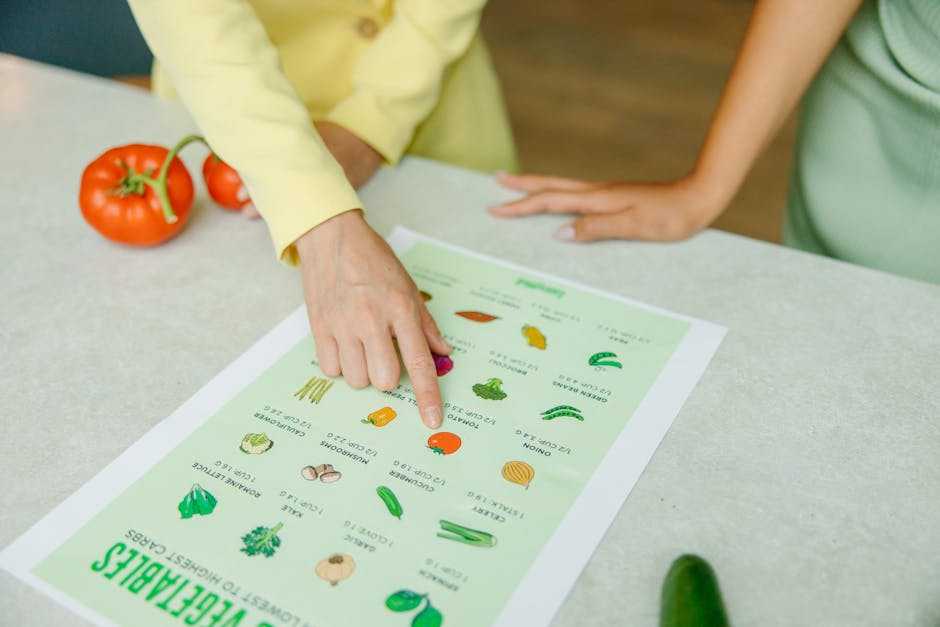
Eat with Intention, Not Restriction
Start with the basics: whole, nutrient dense foods. That means things with ingredients you can recognize greens, grains, proteins, fats foods that fuel your body instead of just filling it. No need to micromanage every bite; the goal isn’t flawless eating, it’s consistent nourishment.
Perfection is a trap. You miss one workout, you grab takeout for dinner so what? Health isn’t canceled. Women are burned out from chasing food rules that don’t fit real life. What matters more is balance. Big picture over daily numbers. Patterns over pressure.
Learning to decode your body’s signals is where the real shift happens. Hunger isn’t the enemy. Fullness isn’t failure. When you honor cues like tiredness, true hunger, or emotional cravings with curiosity not shame you build trust with yourself. That’s when nutrition stops being a battle and becomes part of your rhythm.
Prioritize Protein and Fiber
Protein isn’t just for gym rats. Every woman no matter her age, goals, or lifestyle needs it at every meal. Here’s why: protein keeps you full, stabilizes blood sugar, and supports everything from muscle maintenance to hormone production. Without enough of it, energy dips, cravings spike, and recovery stalls. Think less plate of plain pasta, more bowl of lentils, eggs, or Greek yogurt.
Fiber works quietly but powerfully. It supports digestion, feeds your gut bacteria, helps regulate hormones (especially estrogen), and it’s strongly linked to longer, healthier lives. Most women don’t get enough. That’s a problem.
The good news is, increasing both protein and fiber doesn’t require a total food overhaul. You just need smarter swaps. Add hemp seeds to a smoothie. Trade your cereal for oats with berries and almond butter. Toss chickpeas into your salad. Keep a boiled egg or protein bar in your bag instead of a carb heavy snack.
Little changes, big payoff. Dive deeper into the nutrition essentials every woman should know to keep building habits that last.
Hydration Isn’t Optional
Skip the complicated detox teas and overpriced electrolyte powders. If you’re not getting enough water, your body will let you know just not always in obvious ways. Dehydration doesn’t hit you like a wave; it’s more of a slow zap. Low energy, sluggish focus, dull skin these are the quiet side effects of running low on fluids. Your brain fog? Might be fixed with a tall glass of water before you reach for that extra coffee.
Hydration isn’t about hitting some magic water number every day. It’s about habits. Keep water visible. Use a bottle you’ll actually carry. Pair it with daily activities sips before meals, after bathroom breaks, while waiting for your coffee to brew. You don’t need to overthink it; you just need to make it easy.
And don’t wait for thirst to show up by then, your body’s already playing catch up. Early signs of dehydration? Headaches, dry lips, cranky mood, mid day crashes. The fix is simple, and it’s available straight from your tap.
Drink more water. Your focus, energy, and skin will thank you for it.
Get Smart About Micronutrients
Micronutrients might be the smallest players in your diet, but they pull serious weight. Iron helps oxygen move through your blood without enough, fatigue hits hard. Calcium is key for bone strength, especially as estrogen declines with age. Vitamin D works hand in hand with calcium and supports immune function, while magnesium regulates muscle function, mood, and even sleep. Not optional, not “bonus points” you need these.
Common deficiencies can fly under the radar. Iron deficiency may show up as tiredness or feeling winded even with light activity. Low calcium might not scream until later in life, often through brittle bones. Vitamin D? Often deficient, especially if you live in a place with long winters or avoid the sun. Signs include frequent colds, brain fog, or low mood. And magnesium? Watch for muscle cramps, poor sleep, or anxiety.
Start with food. Lentils, spinach, and red meat cover iron. Yogurt, tofu, and leafy greens boost calcium. Fatty fish and some fortified foods bring the D. Nuts, seeds, and dark chocolate hit your magnesium goals. Still, sometimes gaps remain especially if you’re vegan, pregnant, or dealing with absorption issues. That’s when supplements earn their keep, but they’re a backup, not a baseline. Always check with a pro before adding pills to your plate.
Fuel According to Your Hormones
Your Cycle, Your Needs
A woman’s nutritional needs shift throughout her menstrual cycle and recognizing these changes can make a meaningful difference. Whether you’re in your reproductive years, managing PMS, or transitioning through perimenopause, tailoring your nutrition can support energy, mood, and hormonal balance.
Follicular phase (Day 1 14): Focus on lighter, energy rich foods like fresh produce, lean proteins, and whole grains. This phase often comes with increased energy and tolerance for exercise.
Luteal phase (Day 15 28): This is where PMS symptoms may appear. Supporting your body with magnesium rich foods (like spinach, nuts, and seeds) and complex carbs can help with bloating, irritability, and cravings.
Menstruation: Replenish iron lost during your period with iron rich foods like legumes, red meat, or fortified cereals, paired with vitamin C for better absorption.
Supporting Hormonal Transitions
As women transition through perimenopause and into menopause, hormone levels fluctuate significantly. Nutrition plays a key role in easing symptoms and maintaining long term health.
Calcium and vitamin D become essential to protect bone health. Include dairy, leafy greens, and fortified foods.
Healthy fats such as omega 3s can support mood and reduce inflammation. Think flaxseeds, walnuts, and fatty fish.
Protein helps prevent muscle loss and stabilizes energy levels.
There’s No “One Right Way”
Hormonal needs vary based on age, health conditions, stress levels, and more. A rigid, one size fits all diet can often do more harm than good. Instead:
Focus on listening to your body
Track how you feel during different phases of your cycle
Be open to adjusting your meals and routines over time
Hormone aware nutrition is all about personalization it’s not restrictive, but responsive. Your body is constantly communicating. The goal is to support it, not suppress it.
Routine, Not Restriction
Consistency beats complexity. You don’t need a flawless meal plan or a color coded calendar to eat well; you need rhythm. That might mean oatmeal and eggs every weekday morning, or prepping protein and veggies on Sunday so weeknight dinners don’t become drive through defaults. The key is building a pattern that fits how you actually live not how you wish you lived on your most ideal day.
Planning helps, but obsession doesn’t. Think streamlined meal prep: batch roast some vegetables, grab a rotisserie chicken, lean on frozen staples like peas or brown rice. Keep one or two go to grocery lists saved on your phone. And it’s okay to repeat meals when you find ones that work variety matters, but not at the expense of your sanity.
Most importantly, stay flexible. Eat the pizza. Skip the smoothie. Let a snack be just a snack not a moral failure. Good nutrition isn’t about strict rules; it’s about patterns that support you, not punish you. Build a food rhythm that serves your life not the other way around.
Long Term Wins Over Quick Fixes
Detox from Diet Culture
Before real change can happen, it’s crucial to undo the mindset that health only shows up as a smaller number on the scale. Diet culture pushes extremes restrictive eating, fear based food rules, and unrealistic beauty standards. But that narrative doesn’t support long term well being.
Here’s what to unlearn:
That thinner always means healthier
That carbs are the enemy
That you have to earn your food through exercise
That your worth is tied to your appearance
Instead, focus on nourishment, self respect, and consistency over time.
Build Habits That Last
Transformation doesn’t come from quick hacks it comes from daily practices that feel good and fit your life. The most effective changes are simple, flexible, and realistic enough to maintain during busy weeks.
Sustainable habits include:
Choosing whole foods most of the time without being extreme about it
Building meals that satisfy instead of restrict
Moving your body in ways you enjoy, not punish
Prioritizing sleep and stress balance along with food
Learn What Fuels You
There’s no perfect plan only what works for your body, stage of life, and personal goals. The more you understand your nutritional needs, the better choices you can make without guilt or confusion.
Start by exploring the foundation of healthy eating here: nutrition essentials, and build from there.
Key takeaway: Real wellness isn’t about quick results it’s about showing up for your health every day in a way you can sustain for life.

 Kelvian Quenthos is the kind of writer who genuinely cannot publish something without checking it twice. Maybe three times. They came to health and wellness for women through years of hands-on work rather than theory, which means the things they writes about — Health and Wellness for Women, Inspiring Stories and Achievements, Fashion and Style Tips, among other areas — are things they has actually tested, questioned, and revised opinions on more than once.
That shows in the work. Kelvian's pieces tend to go a level deeper than most. Not in a way that becomes unreadable, but in a way that makes you realize you'd been missing something important. They has a habit of finding the detail that everybody else glosses over and making it the center of the story — which sounds simple, but takes a rare combination of curiosity and patience to pull off consistently. The writing never feels rushed. It feels like someone who sat with the subject long enough to actually understand it.
Outside of specific topics, what Kelvian cares about most is whether the reader walks away with something useful. Not impressed. Not entertained. Useful. That's a harder bar to clear than it sounds, and they clears it more often than not — which is why readers tend to remember Kelvian's articles long after they've forgotten the headline.
Kelvian Quenthos is the kind of writer who genuinely cannot publish something without checking it twice. Maybe three times. They came to health and wellness for women through years of hands-on work rather than theory, which means the things they writes about — Health and Wellness for Women, Inspiring Stories and Achievements, Fashion and Style Tips, among other areas — are things they has actually tested, questioned, and revised opinions on more than once.
That shows in the work. Kelvian's pieces tend to go a level deeper than most. Not in a way that becomes unreadable, but in a way that makes you realize you'd been missing something important. They has a habit of finding the detail that everybody else glosses over and making it the center of the story — which sounds simple, but takes a rare combination of curiosity and patience to pull off consistently. The writing never feels rushed. It feels like someone who sat with the subject long enough to actually understand it.
Outside of specific topics, what Kelvian cares about most is whether the reader walks away with something useful. Not impressed. Not entertained. Useful. That's a harder bar to clear than it sounds, and they clears it more often than not — which is why readers tend to remember Kelvian's articles long after they've forgotten the headline.