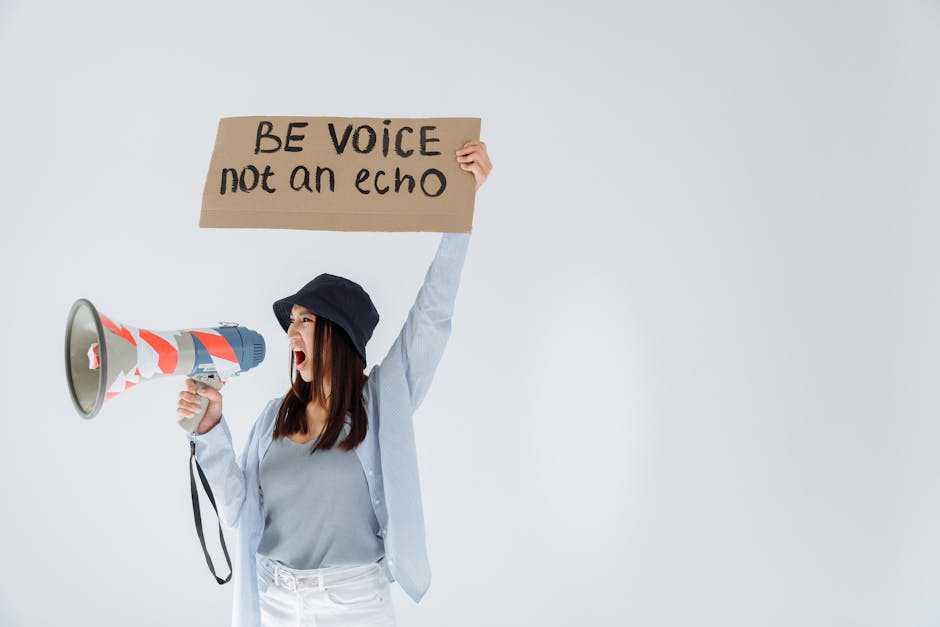

Fighting for Equal Pay And Winning
Despite decades of awareness, wage gaps between men and women persist across nearly every industry. But in 2024, a new wave of strategic advocacy and organizing is pushing for real, measurable change.
Key Movements Taking the Lead
Several high profile campaigns are making headlines and more importantly, making a difference:
Closing the Gap: Cross sector initiatives like Equal Pay Day are expanding their reach beyond symbolic dates, pushing year round accountability.
Public Salary Transparency: Activists are leveraging state level transparency laws and corporate disclosures to reveal hidden wage inequities.
The Pay Up Movement: This campaign has targeted high profile fashion and entertainment brands to honor fair pay agreements, especially for marginalized creatives.
Collaboration at Every Level
Change is happening through both grassroots energy and institutional support:
Grassroots Organizing: Local worker coalitions including service, retail, and tech sectors are holding employers accountable with collective pressure.
Global Union Alliances: Cross border collaborations are emerging between workers in the Global South and labor groups in the EU and US.
Corporate Accountability: Remote first companies are being called out for location based pay gaps that penalize women living outside major urban centers.
Building Real Outcomes
These campaigns aren’t just raising awareness they’re producing tangible results:
Legislative Wins: Countries like Iceland and Spain have implemented enforceable pay transparency laws.
Landmark Lawsuits: Class actions in finance, media, and academia are forcing institutions to confront decade old disparities.
Corporate Policy Shifts: Major firms are revising pay audits and compensation frameworks due to sustained campaign pressure.
This momentum marks a pivotal step in the global push toward economic parity and shows what’s possible when advocacy is persistent, united, and unapologetically bold.
Expanding Reproductive Justice
In regions where access to reproductive health care remains tightly restricted or criminalized, advocacy campaigns are getting sharper and more strategic. Local and international groups are stepping in with coordinated pushes for safe abortion access, better contraceptive availability, and informed care especially in places where legal systems are entrenched against reproductive autonomy. These aren’t just protests or policy memos; they’re full court presses that work across sectors, from grassroots to government corridors.
The most impactful work is intersectional. It’s not just about clinics it’s about the broader system that affects someone’s right to choose and care. That includes whether they can afford to take time off work for medical appointments or whether they live in an area with proper sex ed. Campaigns are connecting the dots between healthcare, income inequality, and education gaps. If you’re poor, rural, or a young woman of color, the odds are already stacked. Intersectional organizing faces that head on.
One standout trend: community led clinics, many of them founded by women who know what it means to go without options. These clinics often use mobile units or operate anonymously, keeping services low cost or donation based. Meanwhile, online platforms have become lifelines offering everything from telemedicine consultations to encrypted chats about reproductive health. It’s not flashy, but it’s saving lives.
The fight for access is fierce, and it’s far from over. But the people leading it aren’t slowing down. They’re just finding new lanes to drive progress forward.
Ending Gender Based Violence
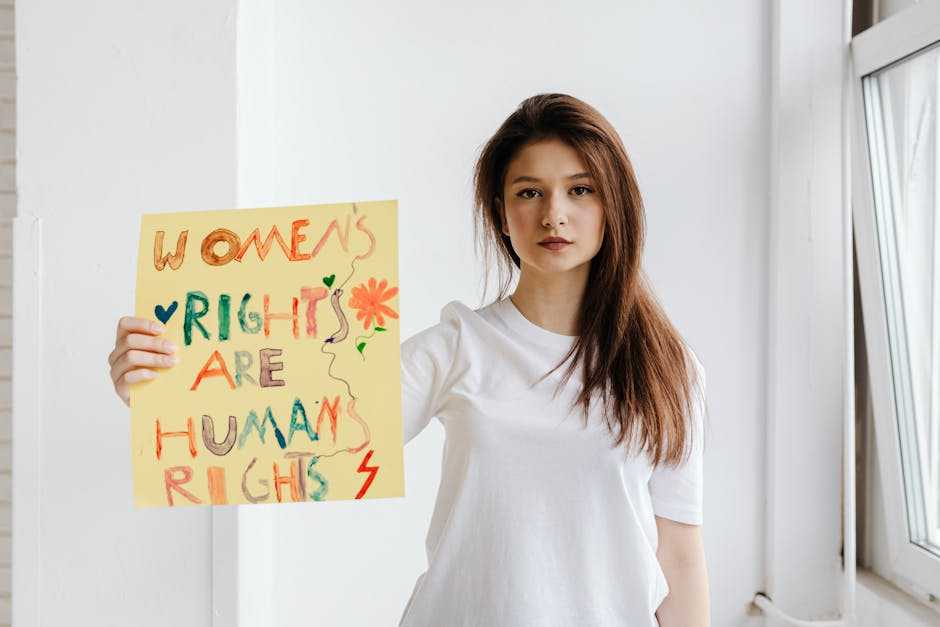
The fight against gender based violence has evolved. It’s more targeted, tech enabled, and crucially includes men and boys in the conversation. Digital campaigns like “Be a Man” in South Africa and “No More” in Latin America are flipping the narrative. These initiatives don’t just raise awareness they challenge cultural norms at their roots, using straight talk, storytelling, and community driven content to break cycles of violence. A key strength? They meet audiences where they already are: on social media, on WhatsApp, even in online gaming spaces.
Policy momentum is gaining ground in Latin America and Sub Saharan Africa. Countries like Kenya and Argentina have rolled out national action plans that center survivors and push for accountability through better law enforcement response, trauma informed judicial training, and public education. These reforms didn’t come out of nowhere activists pushed, and they didn’t ease up.
On the tech front, safety tools are quietly saving lives. From discreet panic button apps to location sharing platforms tailored for at risk individuals, tech is becoming a force multiplier. These tools aren’t perfect, but when built in partnership with local communities, they become less about flashy UX and more about real world impact. Vetted platforms now allow users to instantly alert trusted contacts, share GPS details, or report threats to credible local support networks.
This isn’t about quick fixes it’s gritty, ongoing work. But it’s also full of momentum. The lines of resistance are becoming smarter, faster, and more inclusive.
Rights at the Intersection
Real progress on women’s rights doesn’t happen unless it includes everyone especially those historically pushed to the edge. In 2024, more advocacy groups are zooming in on the unique challenges faced by Indigenous, LGBTQ+, and immigrant women. These aren’t one size fits all efforts. They’re targeted, grassroots movements that understand the importance of language, cultural context, and lived experience.
Take policy language, for example. Advocates are holding lawmakers accountable for more inclusive terms replacing outdated categories with ones that better reflect non binary and multicultural realities. In immigration courts, campaigners are challenging systems that ignore gender identity or overlook Indigenous definitions of family. It’s not just about a seat at the table it’s demanding the table be rebuilt.
From queer organizers creating legal networks for asylum seekers, to Indigenous women’s councils drafting land tenure proposals rooted in traditional knowledge, the front lines are as diverse as the people represented. It’s practical, it’s steady, and it’s not waiting for permission.
For more on these powerful campaigns, explore rights initiatives in 2024.
Women Driving Climate Justice
In 2024, some of the most urgent climate fights are being led by women and they’re linking environmental action with gender rights in ways that are practical, grounded, and globally resonant. These campaigns aren’t just asking for a greener planet; they’re demanding agency, access, and equity along the way.
From coastal communities in the Philippines to farmlands in Kenya, women led organizations are taking the front lines against extraction projects, deforestation, and water privatization. Groups like Mujeres por la Tierra in Latin America and the Thinzima Collective in East Africa are weaving together traditional ecological knowledge with political strategy, leading both community education and high stakes legal battles. The focus isn’t just on protecting land it’s about who gets to decide what happens to it.
There’s also growing momentum around land rights, especially for Indigenous women, who are often excluded from official land titles even when their stewardship has sustained ecosystems for generations. New legal efforts are pressing for those rights to be recognized at national and international levels.
Another front: eco literacy. Across Asia and South America, grassroots campaigns are putting environmental education directly into the hands of women and girls, often through pop up learning centers, mobile apps, and solar powered devices. Increasingly, these offerings include political training, helping community members not just understand environmental policy but write and argue for it.
For more on how gender equity and climate justice are intersecting around the world this year, see rights initiatives in 2024.

 Ask Marken Hatleyer how they got into women's empowerment news and you'll probably get a longer answer than you expected. The short version: Marken started doing it, got genuinely hooked, and at some point realized they had accumulated enough hard-won knowledge that it would be a waste not to share it. So they started writing.
What makes Marken worth reading is that they skips the obvious stuff. Nobody needs another surface-level take on Women's Empowerment News, Health and Wellness for Women, Support and Community Resources. What readers actually want is the nuance — the part that only becomes clear after you've made a few mistakes and figured out why. That's the territory Marken operates in. The writing is direct, occasionally blunt, and always built around what's actually true rather than what sounds good in an article. They has little patience for filler, which means they's pieces tend to be denser with real information than the average post on the same subject.
Marken doesn't write to impress anyone. They writes because they has things to say that they genuinely thinks people should hear. That motivation — basic as it sounds — produces something noticeably different from content written for clicks or word count. Readers pick up on it. The comments on Marken's work tend to reflect that.
Ask Marken Hatleyer how they got into women's empowerment news and you'll probably get a longer answer than you expected. The short version: Marken started doing it, got genuinely hooked, and at some point realized they had accumulated enough hard-won knowledge that it would be a waste not to share it. So they started writing.
What makes Marken worth reading is that they skips the obvious stuff. Nobody needs another surface-level take on Women's Empowerment News, Health and Wellness for Women, Support and Community Resources. What readers actually want is the nuance — the part that only becomes clear after you've made a few mistakes and figured out why. That's the territory Marken operates in. The writing is direct, occasionally blunt, and always built around what's actually true rather than what sounds good in an article. They has little patience for filler, which means they's pieces tend to be denser with real information than the average post on the same subject.
Marken doesn't write to impress anyone. They writes because they has things to say that they genuinely thinks people should hear. That motivation — basic as it sounds — produces something noticeably different from content written for clicks or word count. Readers pick up on it. The comments on Marken's work tend to reflect that.